

Dallas Bidding Wars Without Regret: 10 Tactics Buyers Can Actually Use
It's one thing to lose a house you loved; it's another to "win" and immediately feel sick about what you agreed to. In Dallas–Fort Worth, multiple-offer situations can move at a blink-and-you-miss-it pace, especially when a home is well-priced, well-staged, and in a neighborhood buyers have been circling for months. The goal isn't just to beat other offers—it's to do it with a plan you can live with long after the adrenaline fades. Below are ten practical tactics that help you compete intelligently, protect your downside, and still keep your long-term finances intact.
1) Get fully underwritten—then shop like it matters
A pre-approval is not the same as underwriting. In a fast market, the strongest offers reduce uncertainty for the seller. Ask your lender about a fully underwritten approval (sometimes called "credit approved" or "TBD underwrite"), so your file is largely vetted before you ever submit. That can shorten timelines and reduce last-minute surprises, which matters when sellers are comparing similar price points.
Just as importantly, set a hard ceiling based on payment comfort—not just purchase price. If taxes, insurance, and HOA are common in your target areas, model those early. Winning feels better when the monthly number doesn't pinch.

2) Write your "regret-free" offer range before you tour
Bidding wars are emotional because the decision happens after you've already pictured your life in the home. Flip the script: decide your walk-away number ahead of time. Use recent comparable sales, market activity, and your own budget guardrails to create a range: (a) a strong starting offer, (b) a competitive offer, and (c) a hard cap you won't cross.
This is where experienced DFW market guidance helps. The Exclusive is known for Dallas–Fort Worth expertise, and Ronnie Russell's luxury buying experience is especially useful when comps vary block-to-block and upgrades dramatically change perceived value.
Also consider the hidden costs of "just one more thousand": appraisal gap risk, higher property taxes at the new assessed value, and the opportunity cost of tying up cash you may want for renovations or reserves.
3) Use escalation clauses only when they truly fit the situation
An escalation clause can protect you from overbidding by automatically beating competing offers up to a maximum. But it's not a magic wand. It can signal your top number and may invite the seller to push you there. In some cases, a clean, best-and-final number with strong terms feels more confident than an escalation ladder.
If you do use escalation, make sure the trigger is clear (proof of a bona fide competing offer) and that your cap still respects your appraisal and cash plan.
4) Offer an appraisal strategy, not just a price
Price wins headlines; terms win deals. If you're offering above recent comps, address the appraisal question proactively. Options include a defined appraisal gap coverage (e.g., "Buyer will cover up to $X over appraised value") or structuring the offer so it's strong without being reckless.
Be precise. A vague promise to "make up the difference" can scare lenders or confuse negotiations later. A clearly stated amount helps the seller measure certainty and helps you sleep at night.
5) Shorten contingency timelines (without waiving common sense)
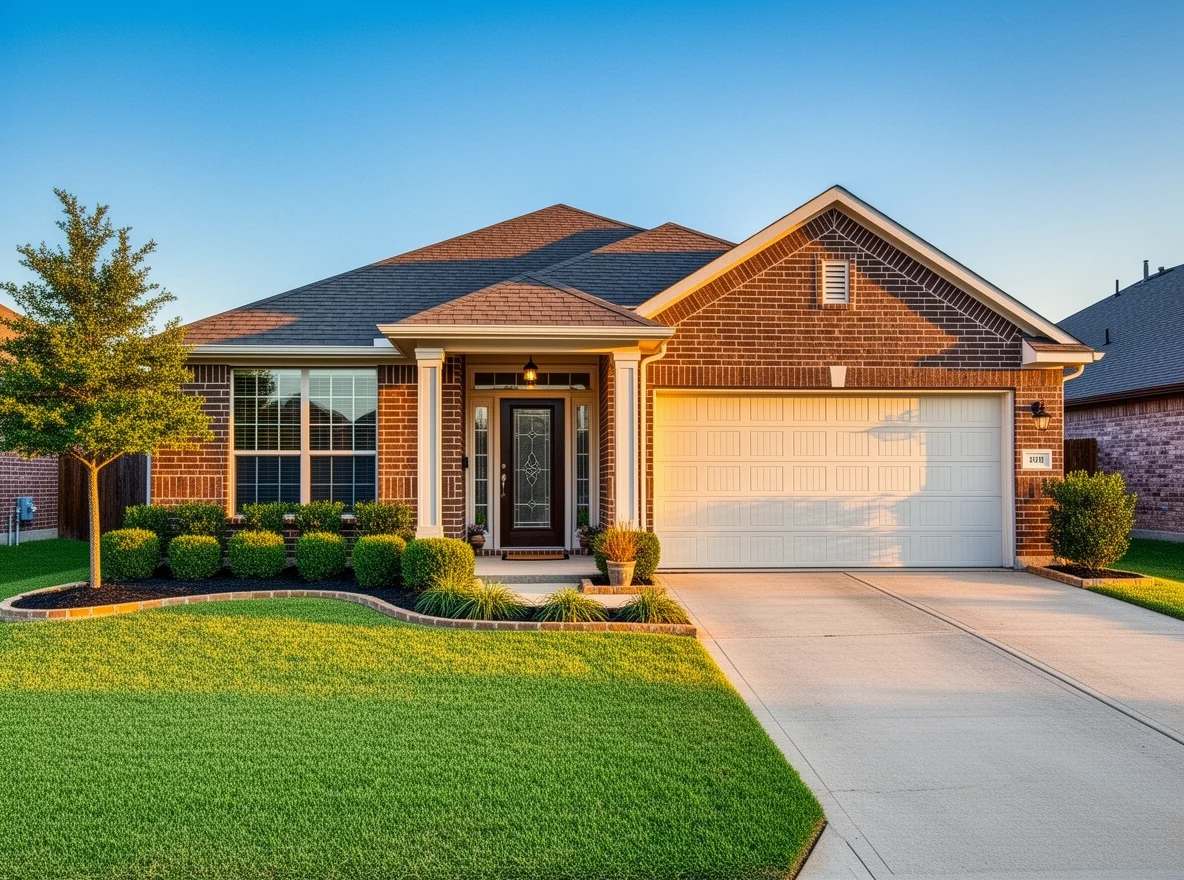
In DFW, sellers often choose the offer that feels simplest. You can often keep standard protections—inspection, financing, appraisal—while tightening the schedule. For example, booking inspections immediately and reducing the option period can make your offer more appealing than a slightly higher price with a long runway.
That said, skipping due diligence entirely is where regret is born. Focus on being fast and organized instead of being blind. Have inspectors ready, review disclosures the same day, and make sure your lender can hit the contract dates you're promising.
If you're buying an older home, consider specialized checks (foundation, sewer scope, roof) depending on property type. Speed is great; unpleasant surprises are not.
6) Make the earnest money count (and understand what it really signals)
Earnest money is less about "paying more" and more about demonstrating commitment. A meaningful earnest deposit can reassure a seller that you won't flinch at the first bump. The trick is aligning it with your risk tolerance and your contract protections. Your agent should explain how earnest money is handled, when it becomes harder to recover, and what milestones matter most.
Pair earnest money with clarity: a shorter option period, a clean financing path, and a credible closing date.
7) Be deliberate about a leaseback—don't accidentally fund someone else's plan
A seller leaseback can be a powerful sweetener when the seller needs time to move. If you offer one, define the rent, the daily holdover, the deposit, the utilities, and the condition expectations in writing. The best leasebacks are boring: clear dates, clear money, and no ambiguity.
If you're using a rate lock or you need occupancy by a certain time, a leaseback can create friction. Only offer it if it serves your strategy, not just the seller's wish list.
8) Win with clarity: your offer package should read like a "yes"
In multiple-offer situations, the seller is scanning for certainty. That means your offer should be easy to understand: clean timelines, minimal unanswered questions, proof of funds if you're covering an appraisal gap, and a lender who can perform. A strong agent can also communicate the offer thoughtfully—without over-talking or creating confusion.
Presentation matters. This is one reason clients value teams with deep local experience and strong testimonials: the listing side often recognizes professional, organized representation and trusts the deal to close.
9) Know when to use (or avoid) a personal letter
Buyer letters can be tempting, but they're increasingly discouraged due to fair housing concerns. Many listing agents won't accept them. Instead, "humanize" your offer by being cooperative and reliable: flexible showing requests, clean paperwork, and quick response times. Let the strength of your terms speak for you.
If you do share anything personal, follow local guidance and keep it neutral—no references that could create compliance issues.
10) Decide your walk-away triggers—and stick to them
This is the real secret to avoiding regret: define the deal-breakers before the pressure hits. Is it a certain monthly payment? A maximum cash-outlay at closing? A firm inspection boundary (foundation movement beyond X, roof replacement needed, etc.)? When you know your triggers, you negotiate calmly—and you walk away cleanly when the numbers stop making sense.
In DFW, there will be another home. The buyers who stay steady are the ones who end up happiest six months after closing, not just on offer night.
Putting it all together in Dallas–Fort Worth
Dallas-area bidding wars reward preparation, clarity, and a strategy that matches your real life. Strong financing, a disciplined offer range, smart timelines, and a clearly communicated appraisal plan can beat "highest price" offers that feel shaky. If you want a competitive edge without the stomach-drop later, work with an advisor who knows how DFW neighborhoods price, how luxury dynamics affect comps, and how to position terms that sellers trust. The Exclusive and Ronnie Russell are known for exactly that—local expertise, luxury experience, and a reputation for guiding clients through high-pressure decisions with confidence. The best win is the one you can celebrate on move-in day and still feel good about a year from now.