

McKinney vs Dallas: 9 Lifestyle Tradeoffs Relocators Should Know
Choosing between McKinney and Dallas isn't just a pin-on-the-map decision—it's a daily-life decision. One offers a polished, family-friendly pace with newer neighborhoods and a strong "put down roots" feel; the other delivers big-city energy, deeper cultural variety, and quicker access to major employers and events. If you're relocating to North Texas, the right move comes down to what you want your weekdays to feel like, not just what you want your house to look like. Below are nine practical tradeoffs that come up again and again when buyers compare these two.
1) Pace and personality: suburban ease vs city momentum
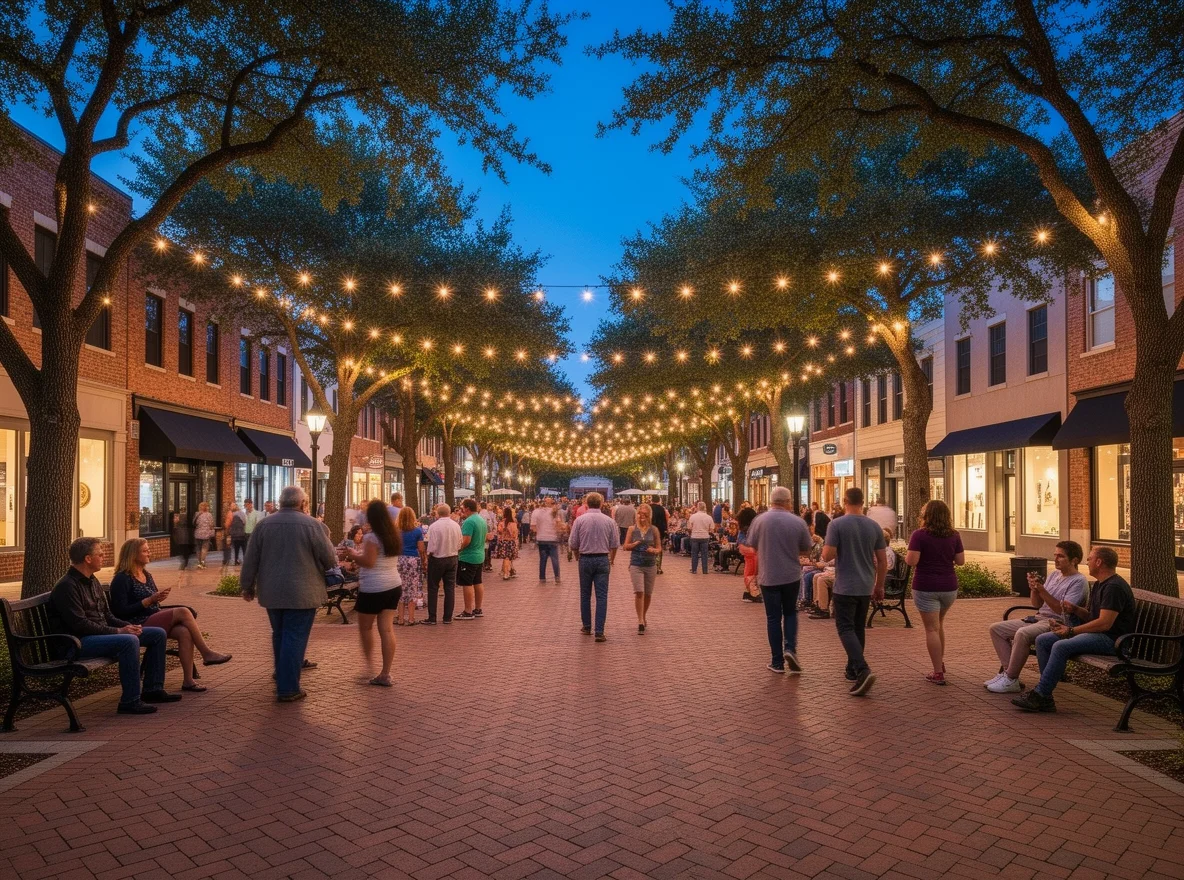
McKinney tends to feel intentional: planned neighborhoods, plenty of parks, and a routine that's easier to predict. Many relocators describe it as "breathing room" after moving from a denser metro—more quiet evenings, more neighborly familiarity, and fewer last-minute logistical surprises.
Dallas is more kinetic. The city is built around movement—commutes, meetings, shows, sports, museums, and an endless calendar of things to do. That energy can be invigorating (especially if you thrive on variety), but it can also mean more noise, more traffic friction, and a faster baseline pace.
2) Commute reality: where your time goes Monday through Friday
This is often the hinge factor. Living in McKinney while working in Dallas can mean a longer, more variable drive depending on your corridor and schedule. Dallas residents may have shorter commutes to major job hubs and airports, but they may also pay for that convenience with denser traffic close to the core. Before falling in love with a home, map your most common trips: office, gym, school drop-offs, and weekend errands. In DFW, time is a budget line just like mortgage and taxes.
3) Neighborhood "feel": master-planned comforts vs pocket-by-pocket character
In McKinney, many buyers gravitate toward newer subdivisions, cohesive streetscapes, and shared amenities like trails, community pools, and greenbelts. It's a popular match for households that want simple: predictable HOA rules, consistent aesthetics, and a layout that supports family routines.
Dallas is a mosaic—one neighborhood can feel entirely different from the next. That variety is a strength if you want architectural diversity, distinct local scenes, and the chance to find a pocket that aligns with your lifestyle. The tradeoff is that the search can take longer: you'll likely compare multiple areas with different vibes, pricing, and commuting patterns.
4) School considerations: district priorities and household timelines
Relocators with school-aged kids often start with district and campus preferences, then work backward into neighborhoods and price points. McKinney is widely perceived as an easy "default" for families who want a suburban school-centered environment. Dallas, meanwhile, offers breadth—more specialized programs and options—but the right fit can be more dependent on the specific neighborhood and your plan (public, charter, private, or a mix over time).
5) Housing stock: newer builds vs established homes (and what that means for upkeep)
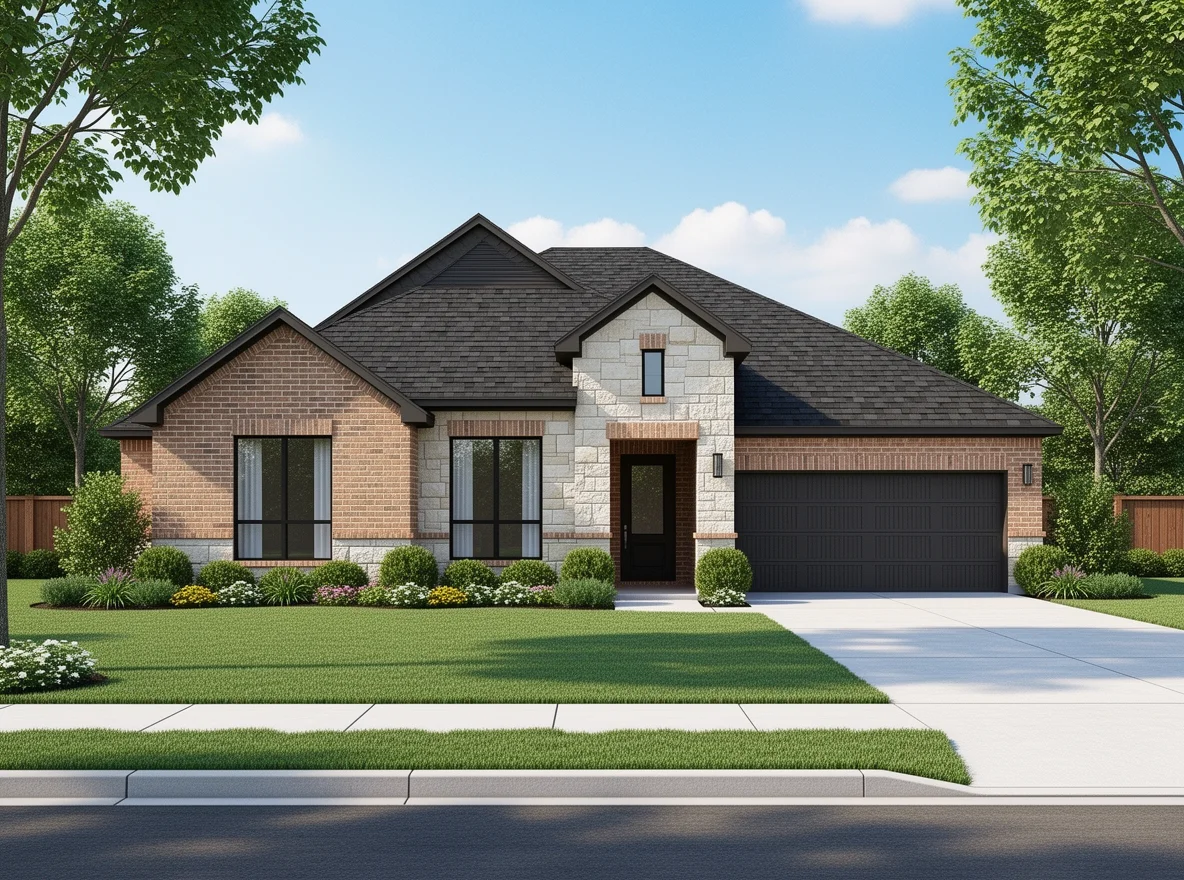
McKinney's inventory skews newer, which can translate to more open floor plans, higher ceilings, and systems that may need fewer immediate updates. The flip side: newer neighborhoods can mean smaller lots, closer setbacks, and HOAs that shape what you can do with landscaping or exterior changes.
Dallas has more established areas with mature trees and a broader range of architecture—from charming mid-century ranches to sleek new construction. Established homes often come with more character and location advantages, but budget thoughtfully for maintenance, renovations, and the "surprise factor" that can appear in older properties.
For luxury buyers, both markets can deliver: McKinney often shines with newer executive homes and community amenities, while Dallas can offer prime proximity and statement properties in prestigious pockets. The right match depends on whether your definition of luxury is space and newness or location and legacy.
6) Day-to-day recreation: trails and parks vs big-city culture
McKinney makes it easy to default to outdoor routine—neighborhood trails, fields, parks, and community facilities that support an after-work walk or weekend practice. Many residents love how accessible "simple recreation" is without elaborate planning.
Dallas brings an unmatched menu of cultural options: performing arts, pro sports, major exhibitions, and destination venues. You can absolutely find parks and outdoor spaces too, but the city's signature strength is how many different experiences can fit into one weekend.
7) Dining and social life: curated convenience vs constant variety
If your ideal evening is a comfortable local favorite and a low-effort meet-up, McKinney fits nicely—more predictable waits, easier parking, and a social scene that often centers on community events and neighborhood connections. Dallas is for the "try something new" crowd. You'll have deeper variety and more late-night options, but you may trade convenience for the experience—traffic, valet, and tighter timing when the city is busy.
8) Budget structure: what you pay for (space, proximity, or both)
Pricing shifts with the market, but the value equation tends to stay consistent: McKinney often offers more square footage for the dollar, while Dallas tends to charge a premium for proximity to major hubs, established neighborhoods, and urban amenities. Also factor in property taxes, HOA dues, tolls, and commuting costs—two homes with similar list prices can feel very different once the monthly "real life" costs are tallied.
9) Long-term flexibility: how your home supports your next chapter

Relocation decisions age differently depending on your timeline. McKinney can be ideal if you're optimizing for stability: a home that supports a predictable routine, room to grow, and neighborhood amenities that carry you through multiple life phases. Dallas can be the better fit if you want optionality—career moves, social variety, and the ability to pivot your lifestyle without changing cities.
Ask yourself: Will you want more space or more access two years from now? Do you expect to entertain often? Are you building a home base for family routines, or a launchpad for professional and social connections? Those answers usually point clearly toward one side of the comparison.
Bringing it home: choosing with confidence in DFW
There's no universal winner—only the place that matches how you want to live. McKinney rewards buyers who value breathing room, neighborhood structure, and an easier day-to-day rhythm. Dallas rewards those who want proximity, culture, and a city that always offers another option. If you'd like a personalized short list based on commute corridors, school priorities, and the type of home you're targeting, The Exclusive team brings deep Dallas–Fort Worth market expertise and extensive experience with luxury buying and selling. Ronnie Russell and the team can help you compare not just listings, but lifestyle—so your next move feels right long after closing.