
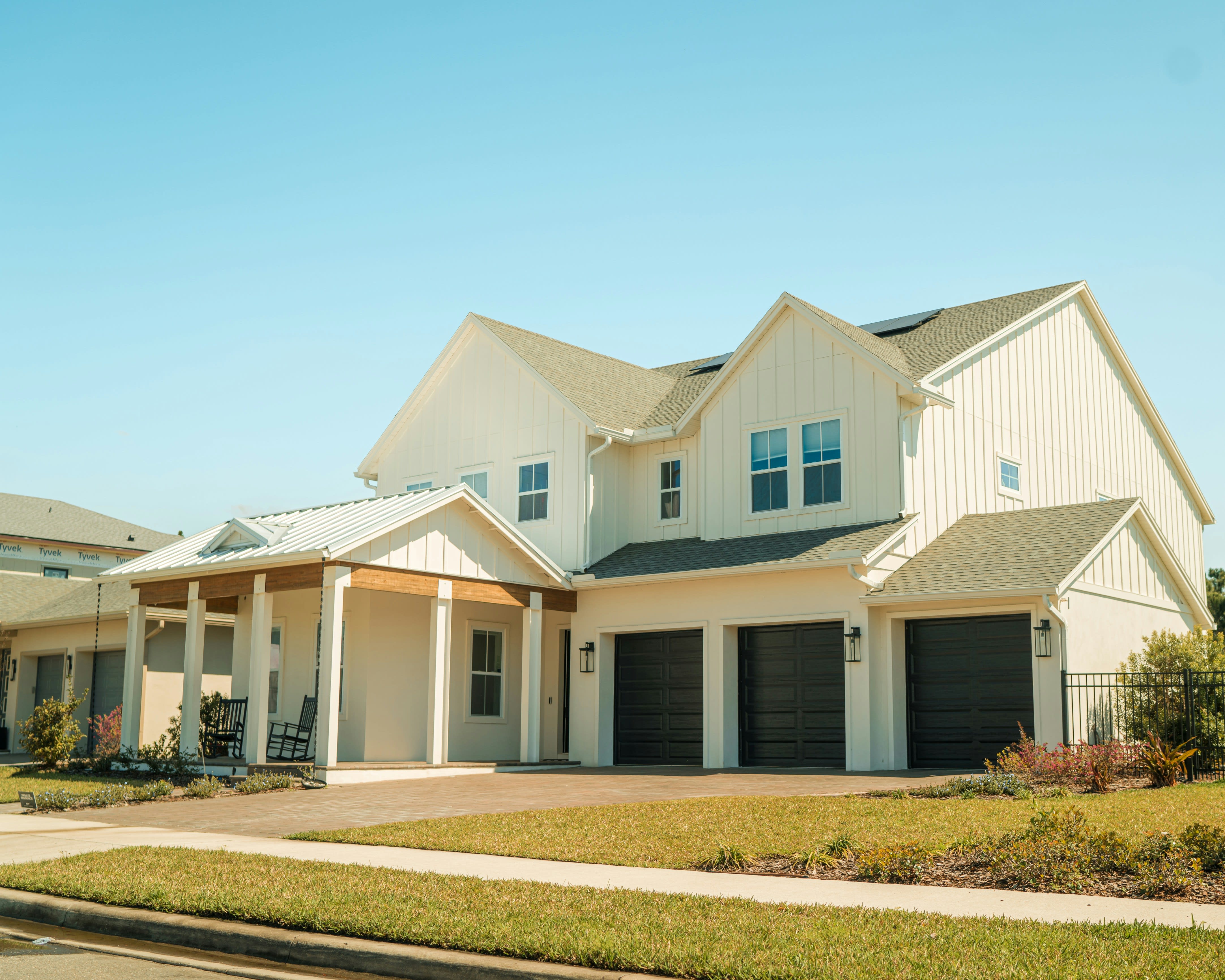

Every week I talk with homeowners in Frisco, Prosper, and McKinney who are ready for more. More space, a bigger lot, a different school zone, a home that actually fits how they live now. And almost every one of them tells me the same thing: "I'm going to wait until prices come back up."
I understand why. Nobody wants to sell for less than their neighbor did two years ago. But if your plan is to sell and buy a bigger home, waiting for prices to recover could be one of the most expensive decisions you make.
Where the market actually is
Here's what's happening in Frisco right now, per Redfin's August numbers:
- Median sale price: about $655,000, down 6% from last year
- Nearly half of all homes sold (49%) had a price drop
- Homes are taking a median of 57 days to sell
- Sellers are getting about 97% of list price on average
Add in mortgage rates at 6.95% (Freddie Mac, September 17), and you've got a market leaning toward buyers. If you're only selling, that's not what you want to hear. But if you're selling and buying, it's a completely different conversation.
The math nobody is running
Here's a simple example. Say your current home would have sold for $600,000 at the peak, and it's down about 6% today. That's roughly $36,000 less than you hoped for.
Now say the home you want was $950,000 at the peak. If it's down the same 6%, that's $57,000 off the price.
You "lose" $36,000 on the sale and save $57,000 on the purchase. You come out about $21,000 ahead. And the bigger the gap between your current home and your next one, the bigger that advantage gets.
It works the other way too. When prices climb back, you gain on your sale, but you pay more for the bigger home. Move-up buyers usually come out behind in a hot market, not ahead.
Price isn't your only leverage
In today's market, buyers aren't just negotiating on price. Seller credits are back on the table, and they can be used to buy down your interest rate or cover closing costs. On a $900,000 purchase, a 2% credit is $18,000. Many builders in Celina and Prosper are also still offering incentives to move inventory. Two years ago, none of this was possible.
"But I have a 3% rate."
That's the real hesitation for most people, and it's fair. But you aren't just trading your rate. You're trading your home. The question is what the monthly payment on the right home looks like after a price reduction, a rate buydown, and the equity you're bringing over. You can refinance if rates drop. You can't renegotiate the price you paid once you close.
Where this goes wrong
The move-up works when the plan is right. It falls apart when your current home is overpriced and sits while the market keeps adjusting. With half of homes taking price cuts, pricing correctly from day one matters more than ever. The other piece is sequencing: whether you sell first, buy first, or use a contingent offer or bridge option to line both up.
The question to ask yourself
If you already know you want a bigger home in the next two or three years, would you rather sell high and buy high, or sell a little lower and buy a lot lower?
Let's run your numbers
I'm offering a free Move-Up Strategy Session for homeowners across Frisco, Prosper, Celina, McKinney, and Allen. In about 30 minutes, we'll look at what your home would realistically sell for today, what the home you want actually costs right now, and the smartest way to time both. No pressure and no obligation, just real numbers so you can make the call.